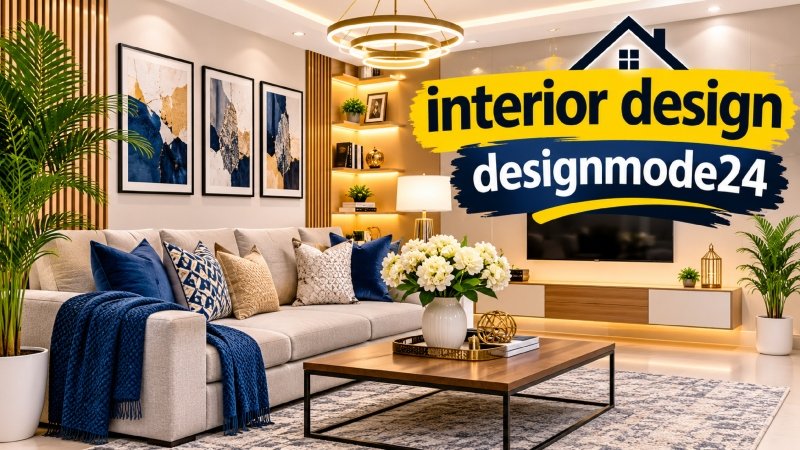
If you searched “interior design designmode24,” you probably want to know what it is and whether it can help you decorate your home. Here is the short answer: designmode24 is not a well-documented design studio or a verified brand. The name appears on home décor blogs and inspiration-style websites that publish articles on decorating, layouts, and styling. Treat it as a source of ideas, not a firm you can hire. The ideas that matter are the ones you can test in your own rooms, and this guide covers the principles behind them.
What Is “Interior Design Designmode24”?
The phrase shows up across several websites as a label for home design inspiration: room layouts, color palettes, furniture choices, and styling tips. I could not find a registered studio, a portfolio of named projects, or verified designers behind it. Some pages using the term are loosely written, and a few are about web design rather than interiors.
That doesn’t make the topic worthless. It means you should judge any advice by whether it holds up. Good interior design advice has three traits:
- It explains why something works, not just that it looks nice.
- It gives measurable guidance, such as distances, heights, and proportions.
- It fits real life, including your budget, your household, and how you use each room.
Use the rest of this article as that checklist.
Core Principles Behind Good Interior Design
Whatever advice you find under the interior design designmode24 label, professional-looking rooms share a few foundations.
Function Comes First
Before choosing a paint color, decide what the room needs to do. A living room used for family movie nights needs different seating than one reserved for entertaining. A home office needs good task lighting and storage before it needs decorative shelves. Write down the top three activities in each room and plan around them.
Balance and Proportion
Balance means no part of a room feels heavy or empty. A large sectional on one wall can be offset by a tall bookcase or a substantial piece of art on the opposite side. Proportion means furniture suits the room’s size. An oversized sofa in a small apartment makes the space feel cramped, while tiny furniture in a large room looks lost.
Color With a Plan
A popular guideline is the 60-30-10 approach: about 60 percent of the room in a dominant color, 30 percent in a secondary color, and 10 percent in an accent. It’s a rule of thumb, not a law, but it keeps palettes from getting chaotic. For example, warm white walls (60), a sage green sofa (30), and brass and terracotta accents (10) read as intentional.
Layered Lighting
Most rooms look flat with a single ceiling fixture. Designers commonly combine three layers:
- Ambient: overall light, such as ceiling fixtures or recessed lights.
- Task: focused light for reading, cooking, or working.
- Accent: light that highlights art, shelves, or architectural details.
Adding two table lamps and a floor lamp to a living room often does more than repainting.
Practical Measurements That Make Rooms Work
Numbers are what separate décor that looks good in a photo from décor that works in daily life. These are widely used guidelines. Adjust them to your space.
|
Element |
Common guideline |
| Space between sofa and coffee table |
14–18 inches |
|
Main walkways |
About 30–36 inches wide |
| Art hanging height |
Center at roughly 57–60 inches from the floor |
|
Dining Area |
Allow approximately 36 inches between the table edge and nearby walls or furniture. |
| Kitchen Work Aisle (One Cook) |
Maintain a minimum clearance of 42 inches for comfortable movement. |
|
Kitchen work aisle (multiple cooks) |
At least 48 inches |
The kitchen figures come from the National Kitchen & Bath Association’s planning guidelines. The others are standard design rules of thumb, so treat them as starting points.
Interior Design Ideas by Room
Living Room
Begin by planning the seating layout before choosing any decorative accessories.Pull furniture off the walls and group it so people can talk comfortably. Anchor the group with a rug large enough that at least the front legs of the sofa and chairs rest on it. Add texture through throws, linen curtains, or a woven basket rather than more color.
Kitchen
A kitchen works best when the cooking, cleaning, and storage zones are close together. Prioritize counter space beside the stove and sink, add under-cabinet lighting, and choose durable surfaces for high-traffic areas. If a full remodel isn’t in the budget, new cabinet hardware, a fresh backsplash, and better lighting can change the room’s feel considerably.
Bedroom
Keep the bedroom calm. Limit the palette to two or three soft tones, use warm bulbs, and give the bed a clear focal wall. Blackout curtains and a comfortable mattress matter more to how a bedroom feels than decorative extras.
Home Office
Place the desk so you have natural light without screen glare, usually perpendicular to a window. Add a task lamp, a supportive chair, and closed storage to keep visual clutter down.
Small Spaces
In apartments, multifunctional furniture pays off: storage ottomans, drop-leaf tables, and beds with drawers. Mirrors opposite windows bounce light around, and vertical shelving uses wall space instead of floor space.
Popular Style Directions Compared
Many home décor sites mention similar styles. Here is how the common ones differ in practice.
- Modern: clean lines, minimal decoration, neutral colors with a few bold accents. Best if you like order and open space.
- Scandinavian: light woods, white walls, cozy textiles. Works well in small or low-light homes.
- Transitional: a blend of traditional and contemporary pieces. A safe choice if you want flexibility and resale appeal.
- Natural or biophilic: plants, wood, stone, and organic textures. Good for people who want a relaxed, indoor-outdoor feel.
You don’t have to pick one. Choose a dominant style and borrow selectively from the others, such as a modern sofa with a vintage wooden side table.
How to Evaluate Design Advice Online
Because pages tied to this keyword vary widely in quality, a few checks help:
- Look for specifics. Leaving approximately 14–18 inches of space between the sofa and coffee table helps maintain comfortable movement and easy access. “Make your room feel amazing” is not.
- Check who wrote it. Named authors with real project experience are a better sign than anonymous posts.
- Cross-check ideas. Compare any tip against reputable sources such as the American Society of Interior Designers, the National Kitchen & Bath Association, or established design magazines.
- Be careful before paying anyone. If a site offers design services, confirm a business address, portfolio, reviews, and written contracts first.
A Simple Plan to Redesign One Room
- Define the purpose. Note what the room must do and who uses it.
- Measure the space. Create a floor plan sketch showing the placement of doors, windows, and electrical outlets, ensuring the layout is practical and easy to navigate.
- Set a budget. Include a cushion of about 10 percent for surprises.
- Choose a palette. Pick three colors using the 60-30-10 approach.
- Buy big pieces first. Sofa, bed, or table come before accessories.
- Layer lighting and texture. Add lamps, rugs, and textiles last.
- Live in it for a few weeks. Adjust before buying more.
Frequently Asked Questions
Is designmode24 a real interior design company?
I could not verify that it is. The name appears on content websites that publish home décor articles, not as a documented studio with a public portfolio. If you want professional help, look for licensed or credentialed designers with verifiable work.
Can I use designmode24 ideas for my home?
Yes, as inspiration. Decorating ideas are only as good as their fit with your space, budget, and habits. Test them against basic measurements and your daily routine.
What is the easiest way to improve a room on a budget?
Improve lighting, declutter, and add one anchor element such as a rug or a new paint color. These changes usually have more impact per dollar than buying new furniture.
How do I choose a color palette?
Start with a fixed element, such as flooring or a favorite piece of art. Pick a main neutral, a secondary color, and one accent, and sample paint on the wall at different times of day.
Do I need an interior designer?
Not for every project. A designer can help with major renovations, complex layouts, or when you feel stuck. For simple refreshes, careful planning and the guidelines above are often enough.
Conclusion
“Interior design designmode24” points to a loose body of online home décor content, not a verified design brand, so your best approach is to take the ideas and test them yourself. Focus on how a room will be used, plan your lighting and color deliberately, and rely on proven measurements. Do that, and your home will look better and be easier to live in, whatever source inspired you.
visit for more details.