The best home upgrading advice is simple:
define your goal, fix problems before cosmetics, set a budget with a cushion, and do projects in a sensible order.
Upgrades that protect the house (roof, drainage, wiring) and cut running costs (insulation, air sealing, efficient equipment) usually come before new countertops or paint. Some sites call this mindful, planned approach home upgrading mintpalment. It isn’t a formal industry term, but the idea behind it is sound: every upgrade should have a purpose.
This guide walks through how to plan, budget, sequence, and compare upgrades so your money goes where it helps most.
What Does “Home Upgrading” Actually Mean?
Home upgrading means improving a house beyond routine repair. You are making it more comfortable, efficient, safe, functional, or attractive. It differs from maintenance in one way:
- Maintenance keeps things working: cleaning gutters, servicing the furnace, resealing a deck.
- Repair fixes something broken: a leaking pipe, a cracked window.
- Upgrading makes something better than it was: adding insulation, replacing a dated kitchen layout, installing a smart thermostat.
Many projects overlap. Replacing a failing water heater is a repair, but choosing a high-efficiency model makes it an upgrade. In home upgrading mintpalment, the key difference is intent: you upgrade with a clear purpose, not just to follow a trend.
Step 1: Decide Why You’re Upgrading
Your reason changes which upgrades make sense. Most homeowners fall into one of three groups.
Staying long-term. Prioritize comfort, lower bills, and daily function. A quieter bedroom, better lighting, or a kitchen that works for your family beats a trendy finish.
Selling within a few years. Focus on condition and first impressions: fresh neutral paint, repaired defects, clean landscaping, updated fixtures. Heavy personalized renovations rarely return their full cost.
Preparing for the future. If you plan to age in place, consider step-free entries, wider doorways, better lighting, and a bathroom that is safe to use. These are far easier to build now than to retrofit later.
Write your goal in one sentence. A clear goal is the foundation of any home upgrading mintpalment plan. When a contractor or a tempting showroom pulls you off course, that sentence is your filter.
Step 2: Inspect Before You Spend
Cosmetic upgrades fail when the structure underneath has problems. Take a look around your home and check for the following things:
- Check for water marks on walls or ceilings, as well as any unpleasant damp or musty odors.
- Roof wear, clogged gutters, or poor drainage around the foundation
- Outdated or overloaded electrical panels, or warm outlets and switches
- Drafts, uneven room temperatures, and high energy bills
- Aging plumbing, slow drains, or low water pressure
For anything you can’t judge yourself, such as the roof, electrical system, or foundation, a licensed home inspector or qualified contractor is worth the fee. Fixing moisture or safety problems first protects every dollar you spend afterward.
Step 3: Build a Realistic Budget
A budget has three parts: the project cost, a contingency fund, and a ceiling you won’t cross.
- Get multiple written quotes for larger jobs, and compare scope, not just price. A low bid that leaves out demolition or permits isn’t low.
- Add a contingency. Many contractors and planning guides suggest setting aside roughly 10% to 20% for surprises, especially in older homes where walls hide unknowns.
- Separate needs from wants. Label each item “must,” “should,” or “nice to have.” If costs climb, cut from the bottom.
- Check financing carefully. Home equity loans, lines of credit, and personal loans differ in rates and risk. This is general information, not financial advice, so compare terms and consider speaking with a qualified advisor for large amounts.
Step 4: Sequence Your Upgrades
The sequence of tasks is important because completing later steps too early may damage the work already finished. A sensible general sequence:
- Safety and structure: roof, foundation, drainage, electrical, plumbing
- Building envelope and efficiency: insulation, air sealing, windows and doors
- Systems: heating, cooling, water heating, ventilation
- Layout and major rooms: kitchen, bathrooms, additions
- Finishes: flooring, paint, lighting, fixtures
- Exterior and landscaping: after heavy construction is done, so crews don’t trample new work
Dust-heavy jobs like sanding and demolition should come before painting and flooring. Running new wiring or pipes should happen before walls are closed and finished.
Best Home Upgrades by Goal
Upgrades That Lower Energy Bills
The U.S. Department of Energy and ENERGY STAR both emphasize that sealing air leaks and adding insulation are among the most cost-effective ways to improve efficiency, because they reduce how much Prioritize the home’s basic heating and cooling requirements before moving on to other upgrades. Good options include:
- Air sealing around attics, rim joists, windows, and doors
- Attic and wall insulation (recommended levels vary by climate zone)
- A programmable or smart thermostat
- LED lighting
- High-efficiency heating, cooling, or heat pump equipment when the old system is near the end of its life
- ENERGY STAR-certified windows and appliances
An energy assessment can help identify the areas of your home where the most energy is being wasted. Some utilities offer discounted audits, and federal, state, or utility incentives sometimes apply, but programs change often, so confirm current rules before you buy.
Upgrades That Improve Comfort and Daily Use
- Better lighting layers (ambient, task, and accent)
- Added storage in kitchens, entryways, and closets
- Improved ventilation in kitchens and bathrooms
- Soundproofing for bedrooms or home offices
- Water filtration or a better water heater
Upgrades That Help Resale Value
Annual cost-versus-value research, such as the Remodeling magazine report, regularly shows that exterior and entry-related projects tend to recover a larger share of their cost than major interior remodels. Exact percentages shift every year and by region, so check the latest report for your area rather than relying on a rule of thumb. In general:
- Garage door and entry door replacement and siding repair tend to perform well
- Minor, tasteful kitchen refreshes often outperform full gut renovations
- Curb appeal, such as clean landscaping, paint, and lighting, makes a strong first impression for relatively little money
Room-by-Room Upgrade Ideas
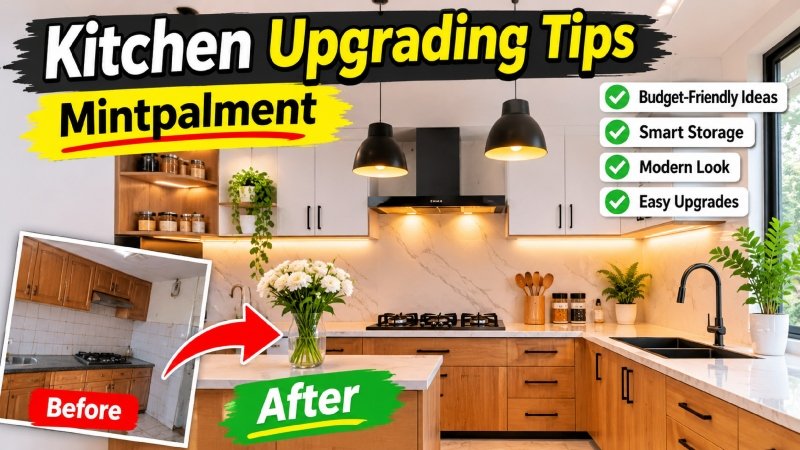
Kitchen. Cabinet refacing or repainting, new hardware, a better faucet, under-cabinet lighting, and a layout that improves the path between sink, stove, and refrigerator. A full remodel is usually the most expensive upgrade in the house, so confirm it matches your goal first.
Bathrooms. Fix ventilation and water issues before anything else. Then consider a new vanity, water-saving fixtures, regrouted tile, and non-slip flooring.
Living areas and bedrooms. Lighting, paint, flooring, window treatments, and built-in storage deliver a visible change without structural work.
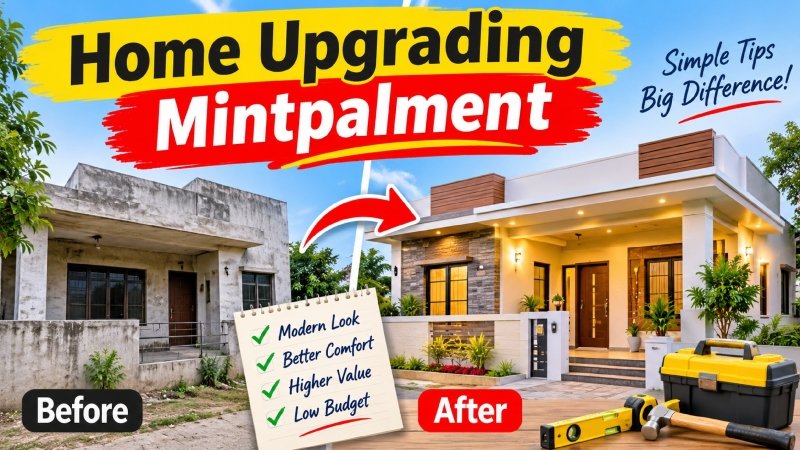
Exterior. Gutters, grading, a sound roof, fresh paint or siding repair, and a well-lit entrance matter most. They also protect the home, not just its looks.
DIY or Hire a Professional?
DIY works well for painting, caulking, installing fixtures like cabinet hardware or shelving, and basic landscaping. Hire licensed professionals for electrical panels and wiring, gas lines, structural changes, roofing, and major plumbing. Good home upgrading mintpalment means matching each job to your skill level, not taking on more than you can finish safely.
Before you hire, check the contractor’s license and insurance, ask for references, get a written contract with a clear scope and timeline, and confirm who pulls permits. Permit requirements vary by city and county, and skipping required permits can cause problems when you sell or file an insurance claim. Contact your local building department to confirm what applies to your project.
Smart Upgrade vs. Poor Upgrade: A Quick Comparison
| Smart choice | Poor choice |
| Fix a roof leak, then renovate the room | Repaint over a damp ceiling stain |
| Insulate and air seal the attic | Buy a bigger air conditioner to cope with a leaky house |
| Reface existing cabinets in good condition | Replace everything because of style alone |
| Hire a licensed electrician for a panel upgrade | DIY wiring beyond your skill |
| Choose durable, neutral finishes | Follow a short-lived trend with expensive materials |
Common Home Upgrade Mistakes to Avoid
- Skipping the plan. Starting home upgrading mintpalment without a goal, budget, or sequence is a frequent cause of overspending.
- Ignoring hidden problems. Moisture, outdated wiring, and poor drainage get worse if covered up.
- Over-improving for the neighborhood. A luxury remodel in a modest area may not recoup its cost.
- Choosing the cheapest bid by default. Compare scope, warranty, and reputation too.
- Underestimating disruption. Kitchen and bathroom projects can last weeks. Plan where you’ll cook, wash, and live.
Frequently Asked Questions
What home upgrades should I do first?
Start with safety and structure: roof, drainage, electrical, plumbing, and any moisture problems. Then address insulation and air sealing, followed by systems, major rooms, and finishes.
What amount of money should you set aside for improving your home?
There’s no single figure, since costs vary by region, home age, and scope. Get at least two or three written quotes for larger work and add a contingency of about 10% to 20% for unexpected issues.
Which home upgrades add the most value?
Cost-versus-value studies suggest that exterior and entry improvements and modest kitchen refreshes often return a larger share of their cost than major luxury remodels. Review the latest annual report available for your local area.
Do energy-efficient upgrades really save money?
They usually reduce energy use, but savings depend on climate, your home’s current condition, and utility prices. An energy audit helps you prioritize the upgrades with the best payback.
What is home upgrading mintpalment?
It isn’t a recognized industry standard. A few websites use it as a label for planned, mindful, and sustainable home improvement. The practical takeaway is to give every upgrade a clear purpose, plan it carefully, and favor durable, efficient choices.
Do I need permits for home upgrades?
Often, yes, for structural, electrical, plumbing, and some exterior work. Rules differ by location, so check with your local building department before starting.
Conclusion
Smart home improvements aren’t about spending a lot of money; they’re about investing wisely and prioritizing the right upgrades. Define your goal, inspect for hidden problems, budget with a cushion, and move from safety and structure to efficiency, major rooms, and finishes. Do that, and each upgrade makes your home more comfortable, cheaper to run, and easier to sell, while avoiding the expensive mistakes that come from rushing in.
visit for more details.